Top Fishing Spots: How to Leverage Your Fish Finder to Discover Prime Locations
A quality fish finder has the power to revolutionize a fisherman's trip. By pinpointing fish locations and mapping out submerged structures, it elevates the entire fishing outing. Knowing how to read sonar data and make use of GPS capabilities is essential. However, numerous anglers continue to miss the finer details that can make all the difference. The journey toward mastering these tools and uncovering the best fishing hotspots starts with a few essential strategies. What are the key elements to contemplate?
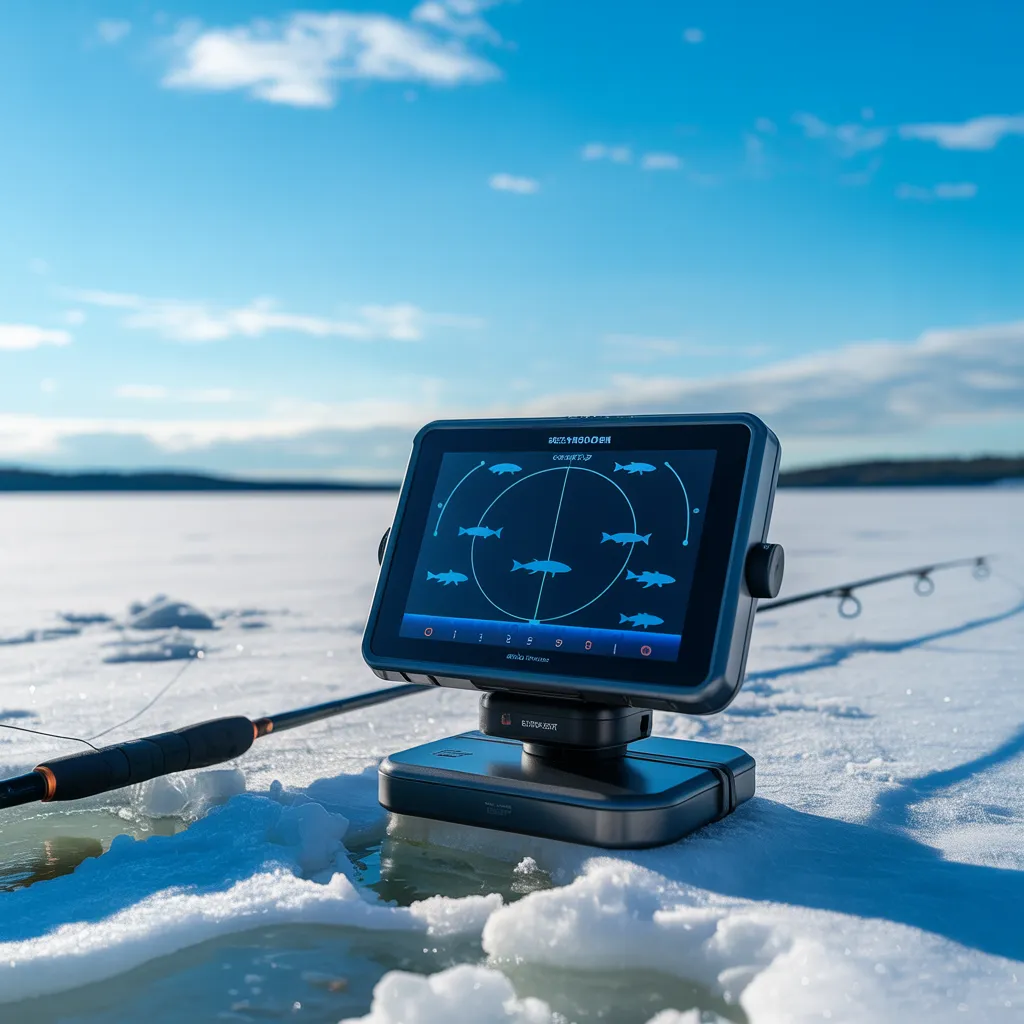
Why Every Angler Needs a Fish Finder
A large number of fishermen discover that employing a fish finder considerably elevates their angling experience. This device enables them to detect underwater structures, depth variations, and fish populations, significantly improving their chances of landing a catch. By providing real-time data, fish finders help anglers seamlessly navigate numerous water bodies, identifying hotspots that would otherwise go unnoticed.
Furthermore, fish finders often come equipped with tools such as GPS mapping, which enables anglers to record promising sites for later excursions. The ability to visualize the aquatic surroundings aids in understanding fish behavior and feeding patterns, allowing anglers to more readily select appropriate baits and techniques.
Fundamentally, a fish finder converts fishing from a game of chance into a strategic pursuit, providing anglers with the tools necessary to make educated choices. Therefore, it is a beneficial purchase for both novice and seasoned fishermen of all skill levels, improving overall satisfaction and achievement on the water.
Exploring the Essentials of Fish Finders
Although fish finders might appear complicated initially, understanding their basic components and functions is vital for maximizing their potential. Fundamentally, a fish finder is composed of a transducer, that sends sonar waves beneath the water's surface, and a display unit that interprets the returning signals. The transducer sends out sound waves that bounce off objects underwater, including fish, structure, and the seabed.
The signals travel back to the transducer, supplying information that appears visually on the display. This allows anglers to identify fish locations, depth, and underwater terrain. The precision of this data relies on elements such as the sonar wave frequency and the caliber of the equipment. Additionally, understanding how to interpret the displayed data is important for effective fishing. Knowledge of these fundamental components allows fishermen to make well-informed choices, improving their fishing results and overall success.
Core Features of a Fish Finder
Recognizing the fundamental parts of fish finders lays the groundwork for recognizing their main capabilities. Central to these instruments is the sonar system, which utilizes acoustic waves to identify underwater objects, including fish and structures. The display screen is another essential element, providing a graphical display of the sonar readings, often with configurable options for resolution and specificity.
Sonar transducers, designed for sending and receiving sonar waves, vary in frequency and beam angle, influencing detection capabilities and coverage area. GPS technology improves performance by permitting anglers to save and return to particular fishing locations. Moreover, features such as depth alarms and mapping capabilities contribute to a better-informed angling experience.
When combined, these features allow anglers to identify and target fish more efficiently, improving their likelihood of a productive fishing trip. Grasping these essential elements allows users to make well-informed choices when choosing a fish finder.
How to Adjust Your Fish Finder Settings
Fine-tuning sonar device settings can greatly enhance an fishing enthusiast's ability to locate fish and underwater structures. To accomplish this, anglers should start by adjusting the sensitivity. A higher sensitivity setting can reveal more details, while lower sensitivity cuts down on noise. Additionally, the frequency setting is essential; higher frequencies offer clearer detail in shallow areas, whereas lower frequencies are better suited for deeper waters.
Changing the transducer's cone angle also plays a considerable role. A wider cone angle allows for a broader view, but could diminish image clarity, while a smaller angle delivers accuracy in particular regions.
In addition, alternating between imaging modes, such as bottom discover more imaging or side-scan imaging, can assist in visualizing aquatic environments with greater accuracy. Lastly, regularly calibrating the sonar unit maintains optimal performance. By precisely adjusting these settings, fishermen can substantially increase their chances of locating fish and maximizing their overall fishing experience.
Decoding Fish Finder Readings
Understanding fish finder readings demands a solid knowledge of sonar technology, as it is the cornerstone of these instruments. Detecting fish symbols and interpreting depth indicators are essential for successful fishing methods. This understanding empowers anglers to form knowledgeable decisions about optimal casting spots.
Understanding Sonar Technology
As anglers explore the world of fishfinders, grasping the fundamentals of sonar technology proves vital for successful fishing trips. Sonar, which stands for Sound Navigation and Ranging, uses sound waves to locate targets underwater. Fish-finding devices produce sound signals that propagate through water, bouncing back from objects like fish, rocks, and the seabed. The device then processes these echoes, displaying them as visual data on a screen. Recognizing the difference between traditional 2D sonar and advanced CHIRP technology can enhance an angler's ability to locating fish more effectively. By analyzing the depth, size, and density of these echoes, anglers can more effectively plan their fishing efforts, leading to a more rewarding experience on the water.
Identifying Fish Symbols
How can anglers effectively identify fish symbols on their fish finders? Comprehending the different displays on the screen is crucial for a productive fishing experience. Fish finders typically display fish as symbols or icons, often resembling arcs or fish shapes, which indicate the presence of fish in the water column. Fishermen need to understand that these icons differ depending on the make and configuration of the fish finder. The size and color of the symbols can offer additional insights; larger symbols may suggest bigger fish. Additionally, distinguishing between baitfish and game fish is important. By properly understanding these symbols, anglers can boost their likelihood of pursuing the right fish in their most frequented fishing spots.
Indicators of Reading Depth
Recognizing fish icons on a fish finder offers a solid foundation for reading depth indicators. These indicators reveal the underwater environment and water column, vital for identifying fish. Depth readings generally display in meters or feet, enabling anglers to assess how deep they are casting. A steady depth can signal suitable fishing grounds, while sudden changes may indicate underwater structures, such as drop-offs or submerged rocks, that attract fish. Anglers should also take note of the brightness and depth of the signals; stronger color signals often signify denser objects, like schools of fish. Identifying these patterns enables anglers to determine strategically about optimal casting spots, maximizing their chances of a successful catch.
Discovering Hotspots With Your Fish Finder
Whereas numerous anglers trust their instincts and experience to discover fish, employing a fish finder can considerably boost their capability to locate prime fishing areas. A fish finder uses sonar technology to detect underwater structures, schools of fish, and variations in depth, rendering it an indispensable instrument for locating the most fruitful fishing spots.
To successfully locate hotspots, anglers should pay attention to features such as drop-offs, submerged rocks, and vegetation, which often attract fish. The fish finder's display will indicate these structures, enabling anglers to direct their attention where fish are most likely to gather.
Additionally, tracking water conditions such as temperature and clarity can help refine hotspot identification. Each species has its own preferred environment, and a fish finder can reveal these subtleties. By blending modern technological data with time-tested fishing expertise, anglers can improve their likelihood of catching fish and get the most out of every fishing trip.
Popular Questions We Receive
Is It Possible to Use a Fish Finder From Shore or Just on a Boat?
A fish finder can be used from shore, but the results it delivers vary based on the unit and conditions. Numerous shoreline fishermen discover that portable devices are helpful for surveying adjacent waters, improving their overall fishing performance and outcomes.
How Do Weather Conditions Impact Fish Finder Performance?
Environmental weather patterns significantly affect the performance of fish finders. Heavy rain, strong winds, or temperature fluctuations can interfere with the clarity and accuracy of signals, impacting the device's ability to detect fish activity and underwater structures in a range of conditions.
What Types of Fish Are Most Commonly Detected by Fish Finders?
Fish finders are commonly used to detect species including trout, bass, and catfish. These instruments employ sonar technology to identify fish locations, providing anglers with valuable insights into underwater populations and enhancing their chances of a successful catch.
Are There Mobile Apps That Complement Traditional Fish Finders?
Yes, various phone apps work alongside standard fish finding devices by delivering instant data, navigation tools, and user insights. These tools elevate the overall fishing journey, assisting anglers in finding prime spots and track conditions more effectively.
How Regularly Should I Update My Fish Finder Software?
Specialists advise updating fish finder software no less than once per year or whenever a new version is released. Routine updates boost functionality, increase accuracy, and ensure compatibility with emerging technology, ultimately improving the fishing experience for anglers.
Comments on “Fish Finder for Sale for Boat Fishing with Easy Setup”